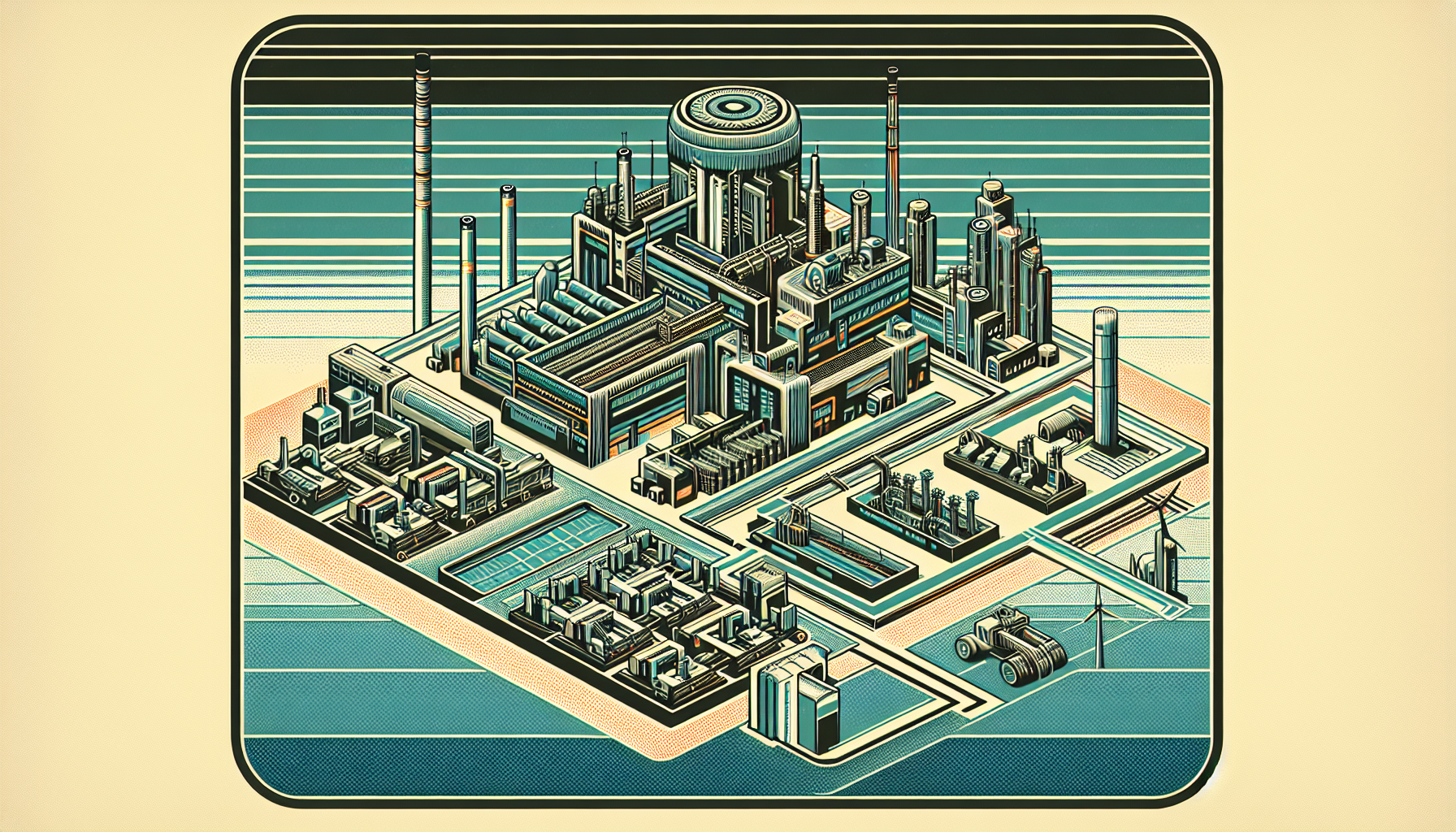
In a remarkable collaboration, Samsung and NVIDIA—two giants in the technology world—are building an AI megafactory dedicated to intelligent manufacturing. Together, their goal is to push the boundaries of automation, bringing more efficiency, flexibility, and intelligence to factory floors across the globe.
The Purpose of the AI Megafactory
This joint effort represents a leap forward in how we make things. Samsung’s deep understanding of manufacturing, paired with NVIDIA’s leadership in artificial intelligence, creates a powerful foundation for new advancements. Their AI megafactory is designed to build and deliver AI-driven tools that fit naturally into modern factory systems.
A central piece of this project is a technology called AI-RAN (Artificial Intelligence – Radio Access Network). AI-RAN brings the power of advanced computers and AI right where it’s needed—at the edge of a factory’s network, close to machines and workers—instead of relying on distant, centralized servers. This is key for running robots, sensors, and other smart devices with almost no delay, which is vital for real-time decisions and actions.
Understanding AI-RAN
AI-RAN is a breakthrough that puts intelligence directly into the networks connecting machines on the factory floor. In the past, factories often depended on remote cloud computing. This could slow things down due to distance and heavy data traffic. With AI-RAN, smart machines like robots and drones can think and act faster, because their brains—the AI computers—are nearby.
This approach not only cuts down reaction time, it also lets factories control many automated systems at once, with each one able to adapt quickly to changes. As a result, manufacturers can create new generations of robots that work together more smoothly, adjust on the fly, and boost productivity with less downtime.
What This Means for Manufacturing
- Instant Automation: Multiple machines and robots can work together in real time, leading to greater precision and fewer slowdowns.
- Room to Grow: It becomes easier to add or upgrade AI-powered robots and tools, no matter the size of the factory.
- Smarter Workflows: AI can spot ways to improve processes and fix problems fast, making everything move more smoothly.
- Flexibility: Factories can quickly switch what they produce or how they work, without expensive rebuilds or long delays.
- Improved Safety: With AI watching over operations, risks to human workers go down, and dangerous situations can be avoided more easily.
Global Influence and the Road Ahead
The creation of this AI megafactory does more than just advance a single project—it sets a new direction for intelligent manufacturing around the world. As factories become smarter, the benefits will reach many industries, from electronics and cars to shipping and more.
Beyond manufacturing, the edge-computing ideas behind AI-RAN will shape the future of other areas, too. Think of faster, safer self-driving vehicles, or smart cities that respond instantly to changes in traffic or weather. The lessons learned from this megafactory could ripple out to make many parts of life better connected and more responsive.
Looking Forward
Samsung and NVIDIA’s AI megafactory showcases what great partnerships can achieve. Blending advanced AI with leading-edge manufacturing, they are forging a smarter, more adaptable future for industry. Their work is not just about making factories faster or more productive—it’s about pioneering ways for technology to serve people and communities on a truly global scale.
As the AI megafactory grows, it stands as a symbol of progress and possibility, lighting the way toward a world where intelligent automation helps us solve today’s challenges—and those to come.
Leave a Reply