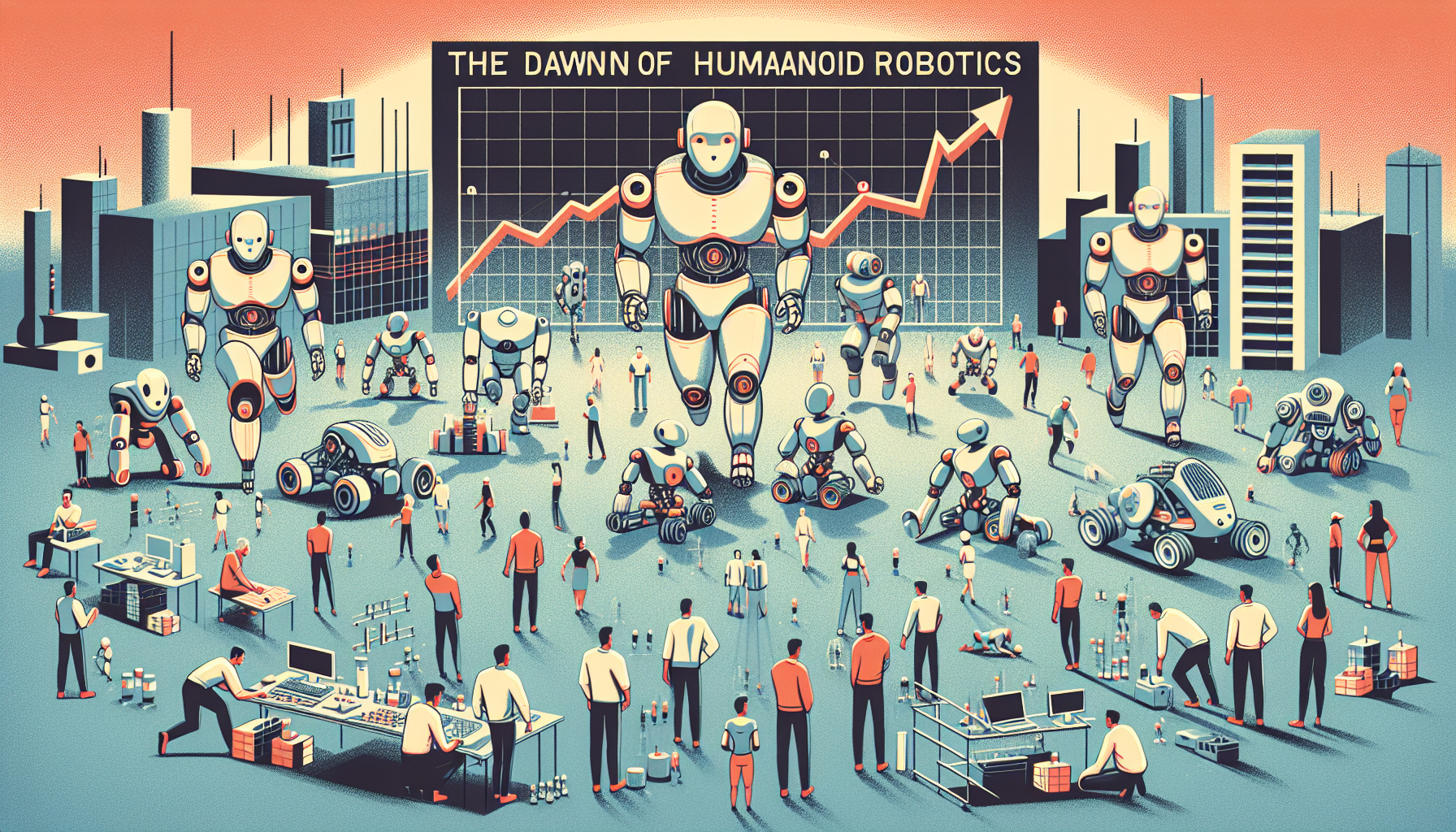
The world is witnessing a remarkable race: some of the biggest names in technology—and ambitious new startups—are striving to build advanced humanoid robots. These machines are more than just science fiction; experts believe that the market for humanoid robots could reach $38 billion over the next decade. The stakes are high, and the key to progress lies in one thing: teaching robots what it means to live and move in our world.
The Power of Real-World Data
At the core of this race is a single, powerful idea: robots need to learn from the real world. While computers can now answer questions and generate images by studying huge online databases, teaching a machine to move with human grace is much harder. It requires detailed, firsthand examples of how people interact with their surroundings—how we reach for a cup, step over a toy, or open a door.
One of the leaders in this movement is Figure AI, based in California. Their mission is to collect genuine motion data from inside 100,000 homes, thanks to a partnership with Brookfield, a major real estate company. By carefully recording how people navigate the spaces around them—how they lift, carry, turn, and react—Figure AI hopes to give robots a deep understanding of everyday human life. It’s an ambitious project, and it highlights a growing industry trend: companies are racing to gather large amounts of real-life, first-person data to train their robots.
They are not alone. Scale AI, a company backed by Meta, is busy collecting diverse video footage in San Francisco. Their work, along with that of other competitors, reveals a truth: no matter how advanced a robot’s hardware may be, the most important ingredient is the quality and quantity of real-world data it can learn from. This data is what allows robots to improve and adapt, to sense and react as humans would.
The Main Contenders
- Tesla: Tesla is developing the Optimus robot, created to help with factory work as well as chores around the house. Drawing on its expertise in artificial intelligence and self-driving technologies, Tesla is working to ensure Optimus can learn from real-world experiences. The company plans to use these robots in its own factories soon, and has set its sights on bringing consumer-ready robots to the public by 2026.
- Boston Dynamics: With robots like Atlas, Boston Dynamics has long been recognized for robots that move and balance almost like humans. Their machines are famous not just for their agility, but for learning to adapt to unfamiliar challenges, making them one of the most respected names in robotics.
- Nvidia: Almost every organization building humanoid robots relies on Nvidia. Their powerful computing platforms and AI tools provide the brainpower that helps robots recognize, process, and understand the world, supporting the entire industry’s leap forward.
The Road Ahead
As robots learn to see, understand, and move through the world with increasing skill—thanks to ever larger and more accurate datasets—their presence in factories, businesses, and even our homes is sure to grow. For some, this raises concerns about the future of work and how jobs might change. For others, the arrival of helpful robots is a chance to automate tiring or dangerous tasks, lower costs, and give people more time to focus on what matters most.
The drive to collect real-life data for robots isn’t just about improving machines. It is about shaping how we live and work in the years ahead. The companies leading this charge are working not only to advance technology, but to redefine what is possible for humans and machines together. With every new dataset, every agile step, and every task completed, the dream of intelligent, human-like robots moves closer to reality.
Leave a Reply