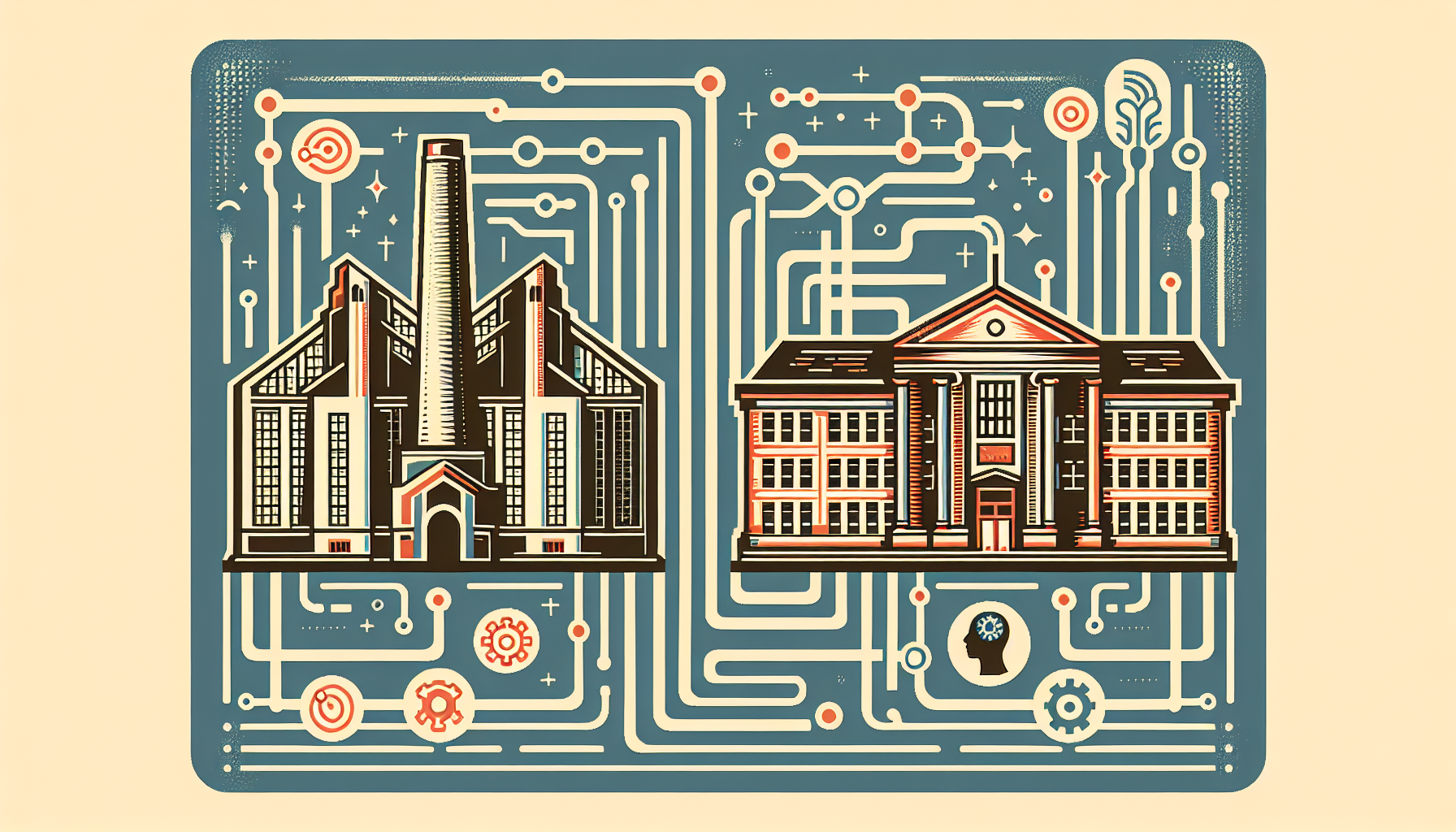
Artificial intelligence is shaping the future of both education and industry. Around the world, universities and manufacturing companies are creating thoughtful approaches to this powerful technology, striving to balance progress with responsibility.
Universities: Defining Responsible AI Use
Universities are at the forefront of developing careful policies for AI use in both research and teaching. These policies are designed to encourage innovation while upholding the core values of academic integrity, transparency, and privacy.
- Almost all university guidelines stress the need for explicit permission or clear declaration when students use AI, especially for final exams or major projects.
- Unauthorized or hidden use of AI is generally not allowed, as it can undermine fair assessment and honest scholarship.
- Privacy is a major concern. Students and researchers are reminded to protect personal and university data from being shared with public AI tools without consent.
- Faculty are encouraged to clearly state their own course rules around AI use, which allows for more thoughtful teaching rather than simple bans. This helps students develop critical thinking, resilience, and responsible habits when using new technologies.
- Accreditation organizations are also stepping in. For example, the Middle States Commission on Higher Education now requires that AI be used in ways that reflect ethical standards and proper management of data.
Some universities are already leading by example:
- At Columbia University, AI is not allowed without special permission.
- The University of Oxford permits AI only when specifically approved and mandates students to declare how they used it.
- Johns Hopkins University and Imperial College London have introduced comprehensive guidelines and principles to encourage responsible AI use, tailored to different departments and types of coursework.
By establishing these policies, universities show great care for their communities. They are working to protect the quality of learning, trust within their institutions, and the privacy of individuals, while still embracing the opportunities AI brings to research and discovery.
Manufacturing: Harnessing AI for Excellence
Meanwhile, the manufacturing sector is making rapid advances by integrating AI into everyday operations. Here, AI’s role centers on quality improvement, efficiency, and cutting-edge automation.
- Manufacturers deploy AI systems to analyze massive amounts of production data, identify patterns, and detect defects as soon as they arise.
- When combined with modern Manufacturing Execution Systems (MES), AI lets companies monitor every step of production in real time, predicting issues before they become costly problems.
- This results in fewer defective products, smoother workflows, and higher consistency, helping move the industry closer to the vision of Industry 4.0—where intelligent, data-driven factories are the norm.
- At the same time, careful management of sensitive manufacturing data remains vital, ensuring that AI is aligned with organizational rules and security practices.
Through these applications, AI is not just transforming how things are made; it is setting new standards for excellence and reliability, positioning companies to compete better in global markets.
A Shared Path Forward
Both universities and manufacturers are embracing AI, but in different ways. In higher education, the focus is on building frameworks that guide ethical, transparent, and thoughtful use of AI. In manufacturing, the priority lies in using AI to perfect processes and deliver high-quality products with confidence.
Across both worlds, the same deep commitments shine through: a respect for integrity, a drive for innovation, and a determination to safeguard data and dignity. As AI becomes more ever-present, these careful approaches lay the foundation for progress that honors both human and technological potential.
Leave a Reply