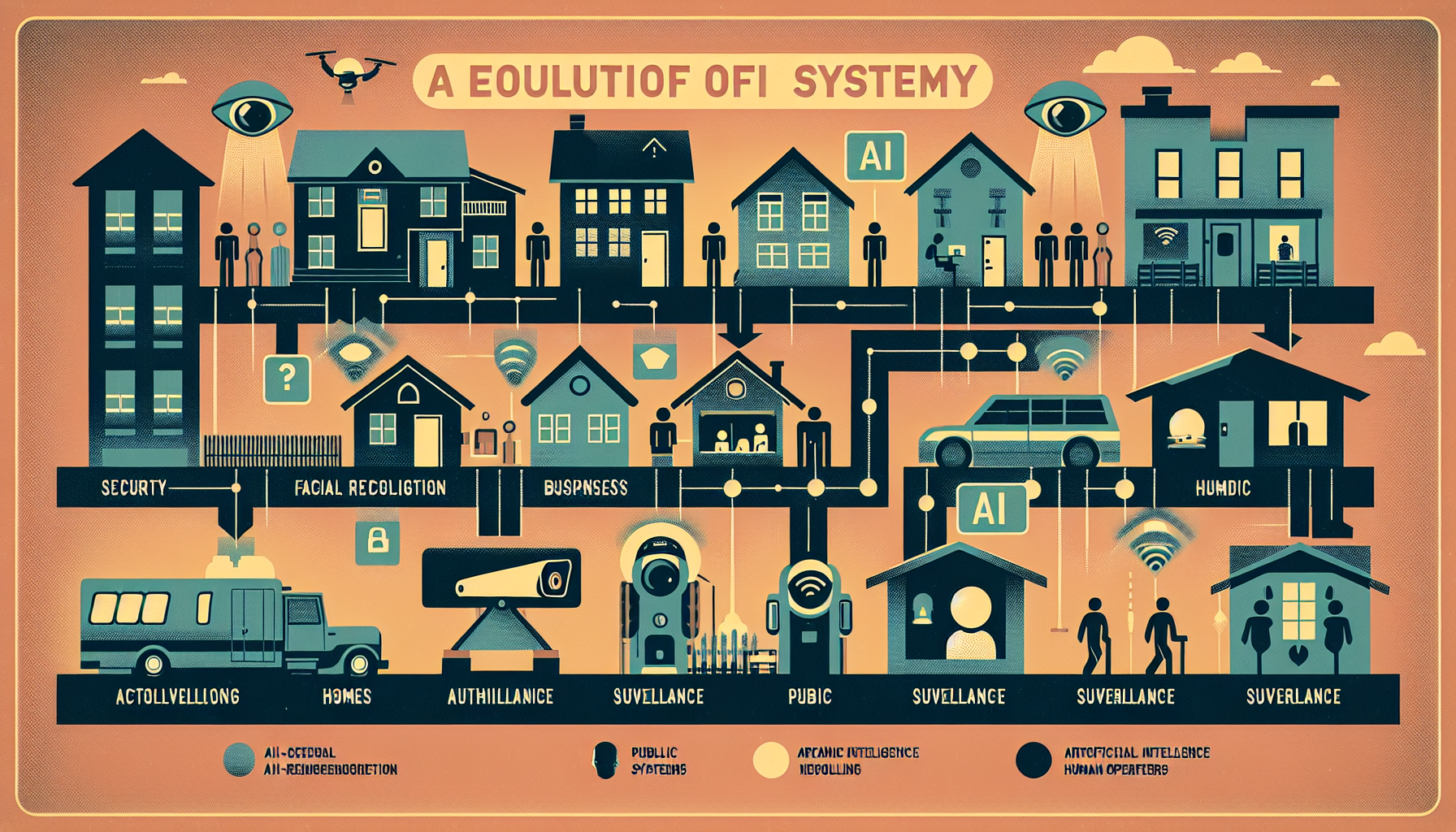
In the evolving world of security, artificial intelligence (AI) is quietly transforming how we watch over our homes, businesses, and public spaces. This transformation is especially important in dealing with one of the biggest challenges in video surveillance: operator fatigue. AI now empowers organizations to watch more, catch more, and miss less—while giving human operators much-needed relief from overwhelming workloads.
The Challenge: Human Limits in Traditional Surveillance
For many years, security teams depended on people to watch and review endless video feeds. While human intuition is valuable, fatigue quickly becomes a problem. After just 22 minutes of non-stop monitoring, studies show that humans can miss up to 95% of camera activity. No matter how experienced an operator is, attention naturally fades, mistakes increase, and important incidents might go unnoticed.
These pressures lead not only to missed events but also to stress, burnout, and high turnover. As a result, maintaining strong and consistent security has become ever more difficult.
The Shift: AI Steps In to Support Operators
AI-powered surveillance is changing everything. Instead of forcing humans to constantly monitor video feeds, new systems analyze footage in real time using advanced algorithms. These smart systems excel at spotting true issues and ignoring harmless activity, freeing operators from sorting through endless non-events.
One leading example is Milestone Systems’ AI alert summarization tool. This technology reviews large amounts of video, automatically filters out false alarms, and highlights the incidents needing real attention. By summarizing important alerts, it allows human operators to direct their energy where it matters most, instead of wasting time on irrelevant notifications.
What AI Brings to Surveillance
- Fewer False Alarms: AI adapts to local conditions, learning the unique features of each location. It can tell the difference between a moving shadow and a real intruder, which means fewer unnecessary alarms and fewer distractions for staff.
- Smart Alert Prioritization: When a real risk is detected, AI can instantly rank its importance. Operators are alerted only to genuine threats, so there’s less confusion and quicker decision-making.
- 24/7 Attention: AI doesn’t get tired. These systems watch every camera, every second of the day, never missing a beat—even during long nights or busy shifts when humans are more likely to slip.
- Faster, Better Incident Response: By taking care of routine tasks like logging events and writing initial reports, AI lets operators focus on responding to what matters. This leads to faster action and greater job satisfaction for security staff.
- Lower Costs and Greater Flexibility: Organizations using AI can reduce the need for large monitoring teams and lower training requirements. Staff can then be shifted to roles where their judgement and understanding are truly needed.
Proven Results and Promising Developments
For organizations putting AI into practice, the gains are immediate and clear. Many report a sharp drop in false alarms and much quicker responses to real incidents, often within weeks of adoption. Because these systems keep learning, they rarely need manual updates, which cuts downtime and maintenance costs.
The technology is also advancing at a rapid pace. Generative AI, for example, is starting to write instant, natural-language reports of incidents, making investigations shorter and clearer. Edge computing—where analysis happens right on the camera—further speeds up detection and reduces the data sent over networks, making AI accessible even in demanding environments.
A New Era for Surveillance
AI is not replacing humans; it is empowering them. By taking over tiring, repetitive, and error-prone tasks, AI allows security professionals to focus on the moments that truly matter. The result is a system that is more reliable, efficient, and responsive.
As leaders like Milestone Systems push these technologies forward, the future of surveillance looks brighter: more intelligent, proactive, and centered on supporting people. Security operations are entering a new chapter—one where humans and AI work together to protect what matters most.
Leave a Reply