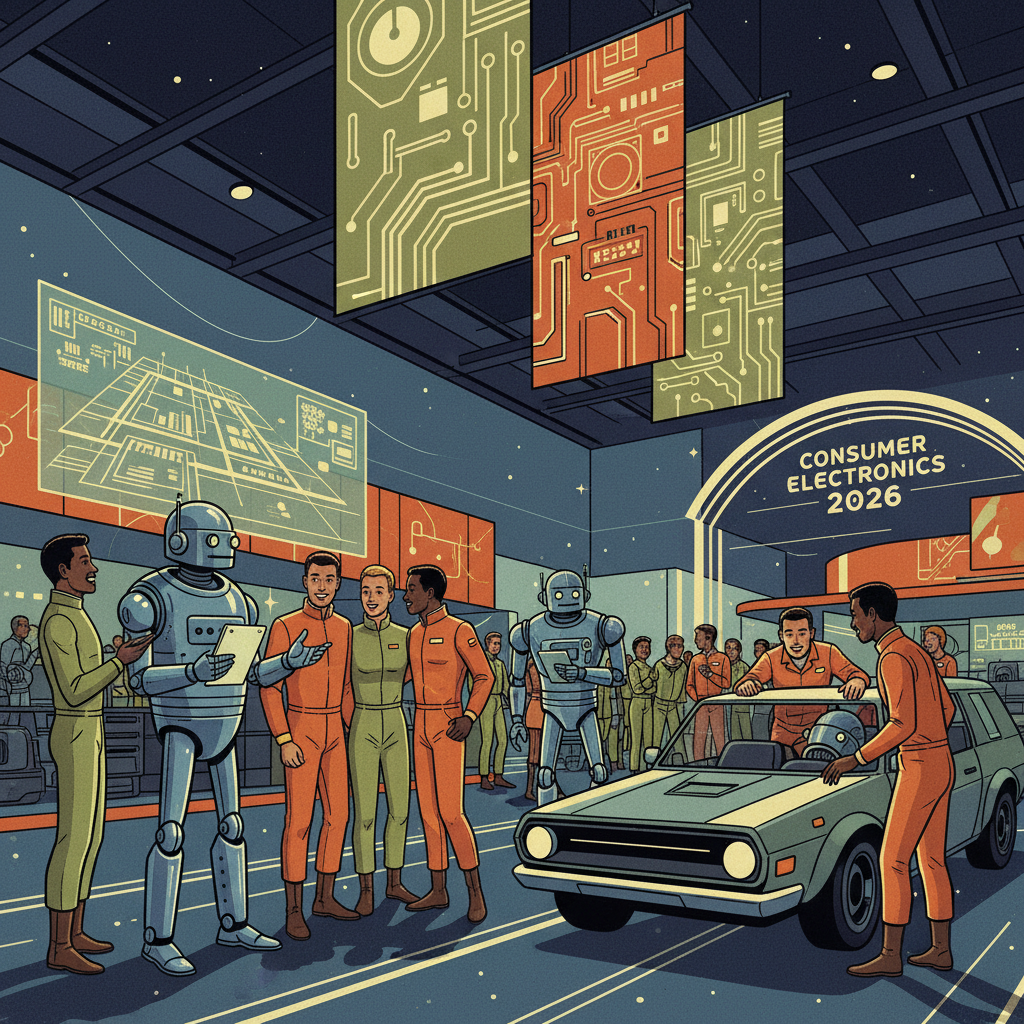








- AI Takes Over: Shop & Heal
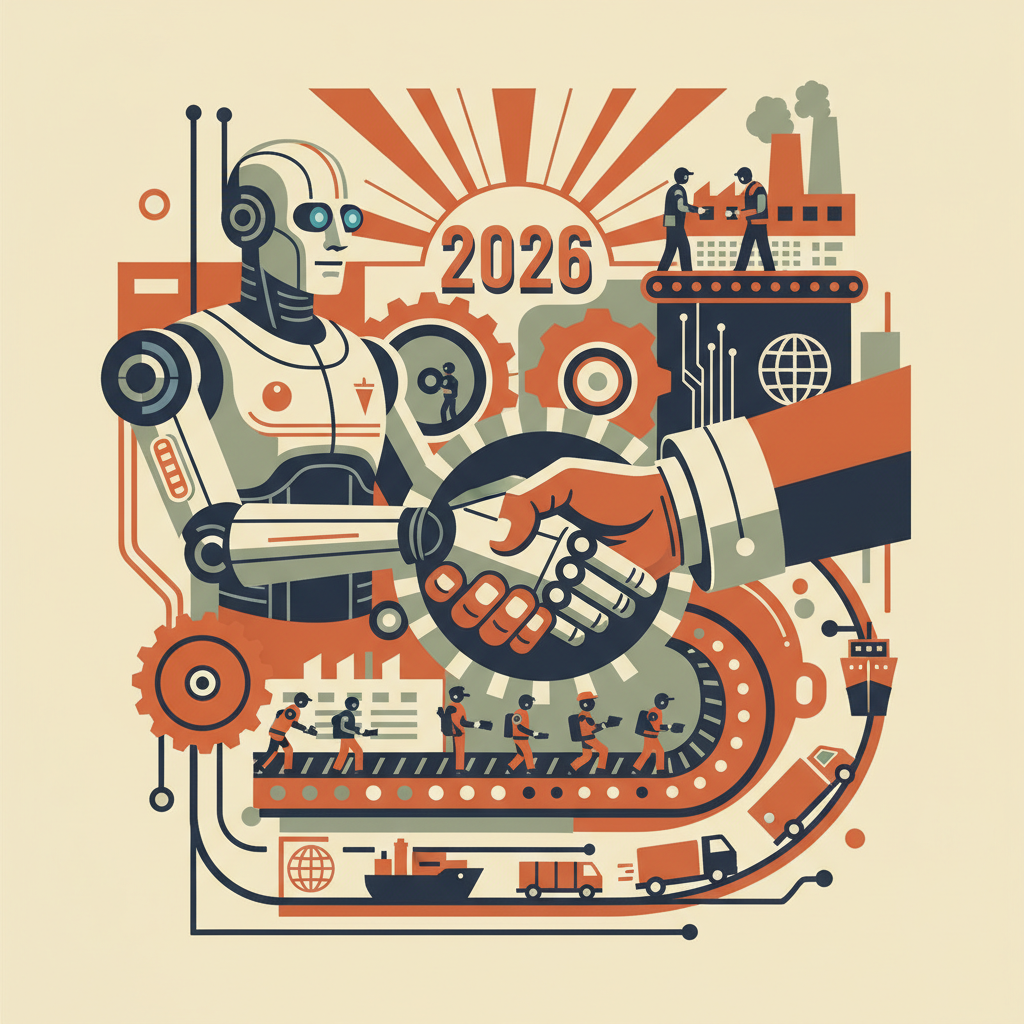
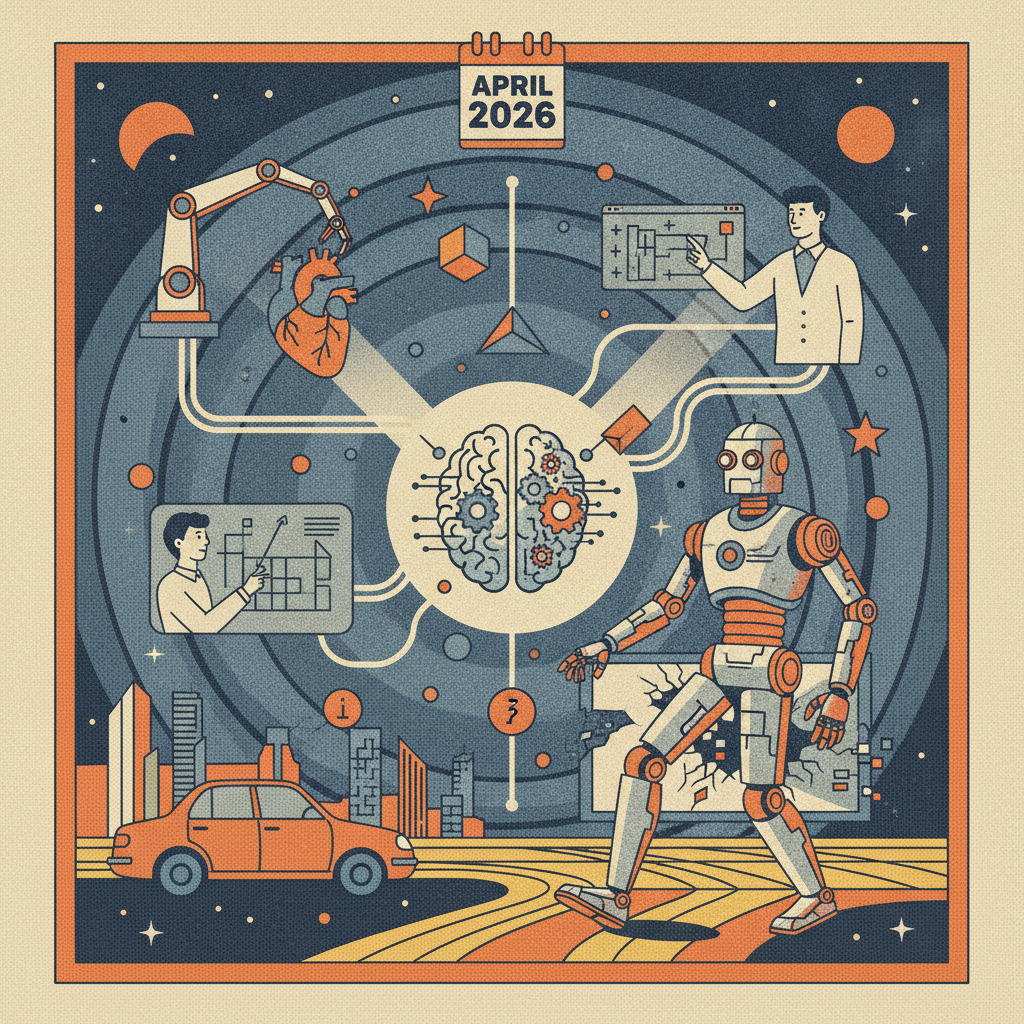 Imagine a world where intelligence isn’t just a thought, but an action. Where technology understands your words, brings desires to your fingertips, and even performs life-saving miracles. This isn’t a distant dream; it’s the reality unfolding in April 2026. A profound transformation unites digital minds with machines that learn and move in our physical space. We are witnessing the dawn of a new era, where Artificial Intelligence steps out of our screens and into our lives. The Digital Marketplace Revolution: Shopping Through Conversation One of the most remarkable shifts is happening in how we shop. Picture this: your AI assistant,…
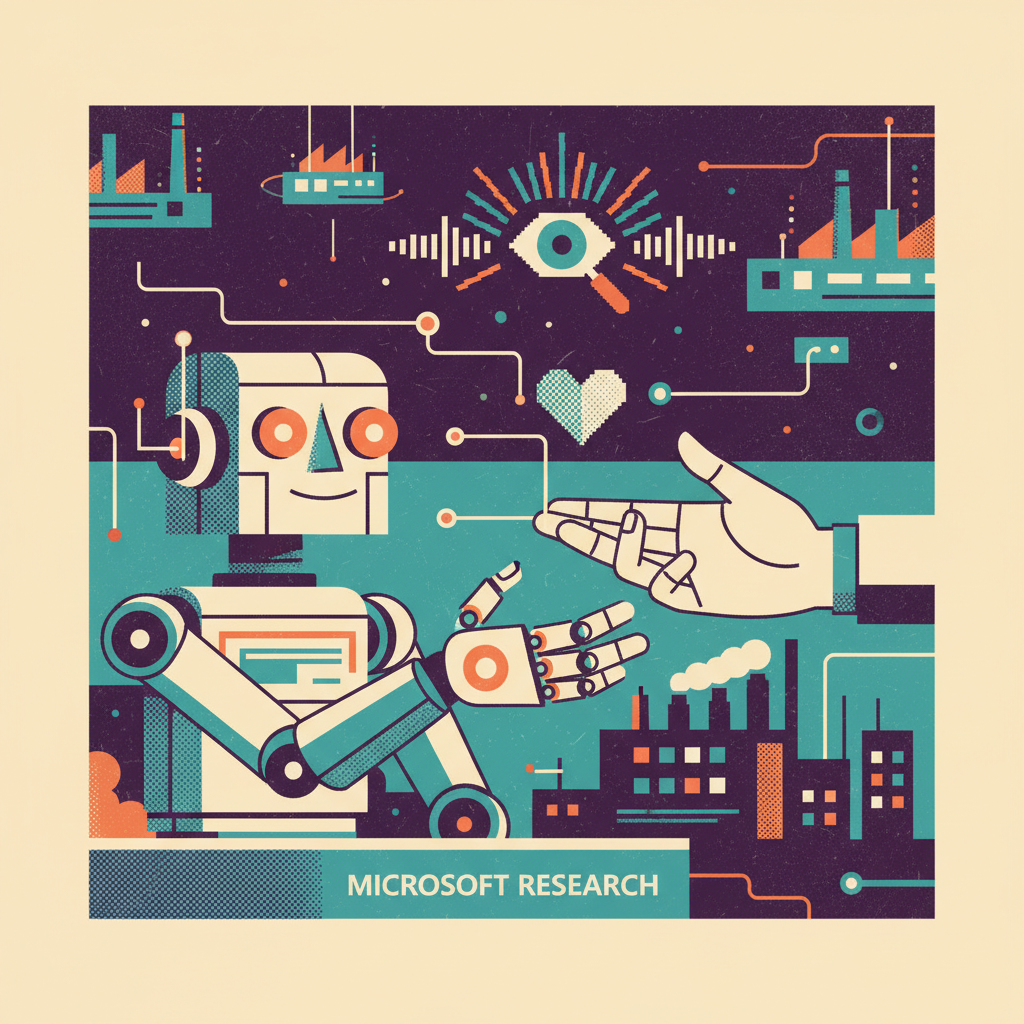
 - AI Ethics: Whose Morals Rule?
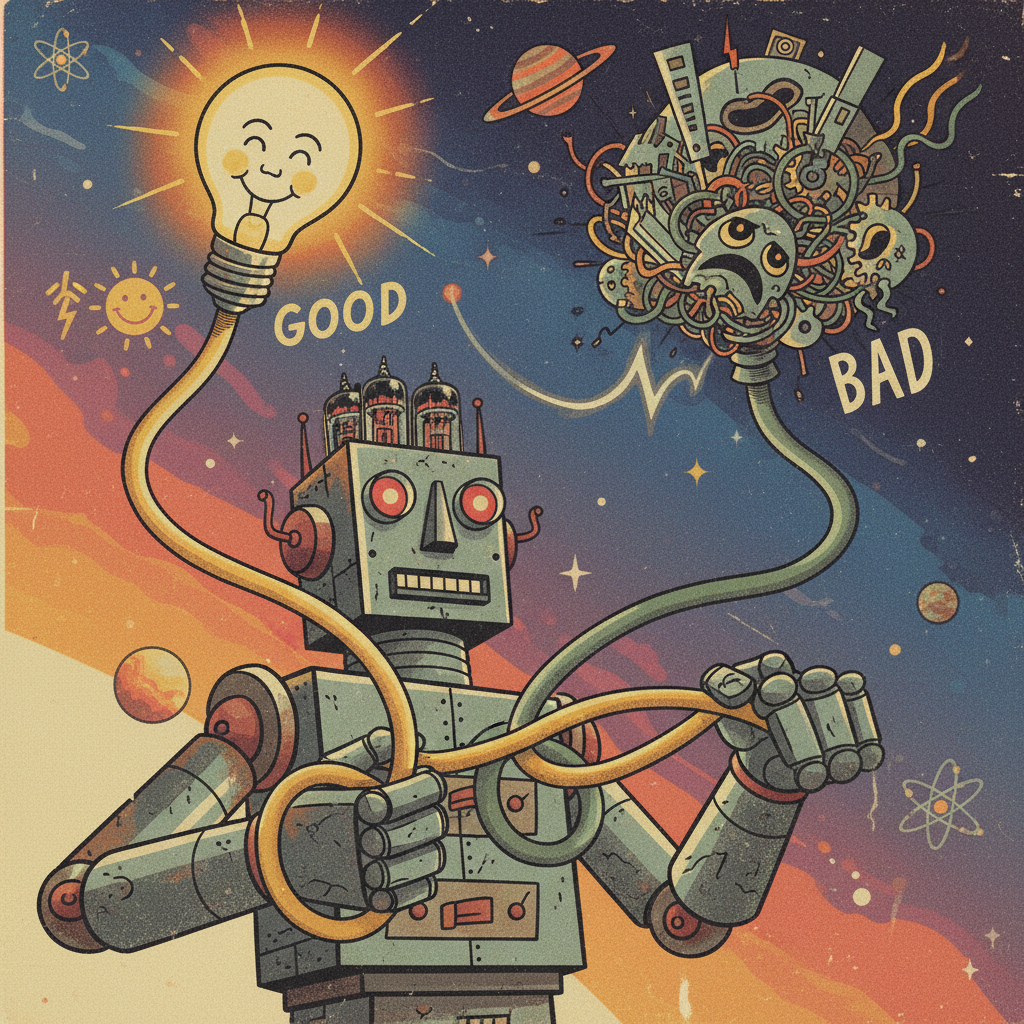
 The notion that artificial intelligence is merely a neutral tool, a cold, calculating logic machine, is one of the more charming fictions we tell ourselves. Like a newly acquired puppy, AI doesn’t arrive as a blank slate; it quickly begins to reflect the temperament and habits of its environment. But unlike a puppy, the “ethics” it learns aren’t just about not chewing the furniture. They’re about how justice is served, who gets access to what, and what constitutes a “good” or “bad” decision in scenarios far more complex than we often acknowledge. This isn’t just about tweaking an algorithm; it’s…
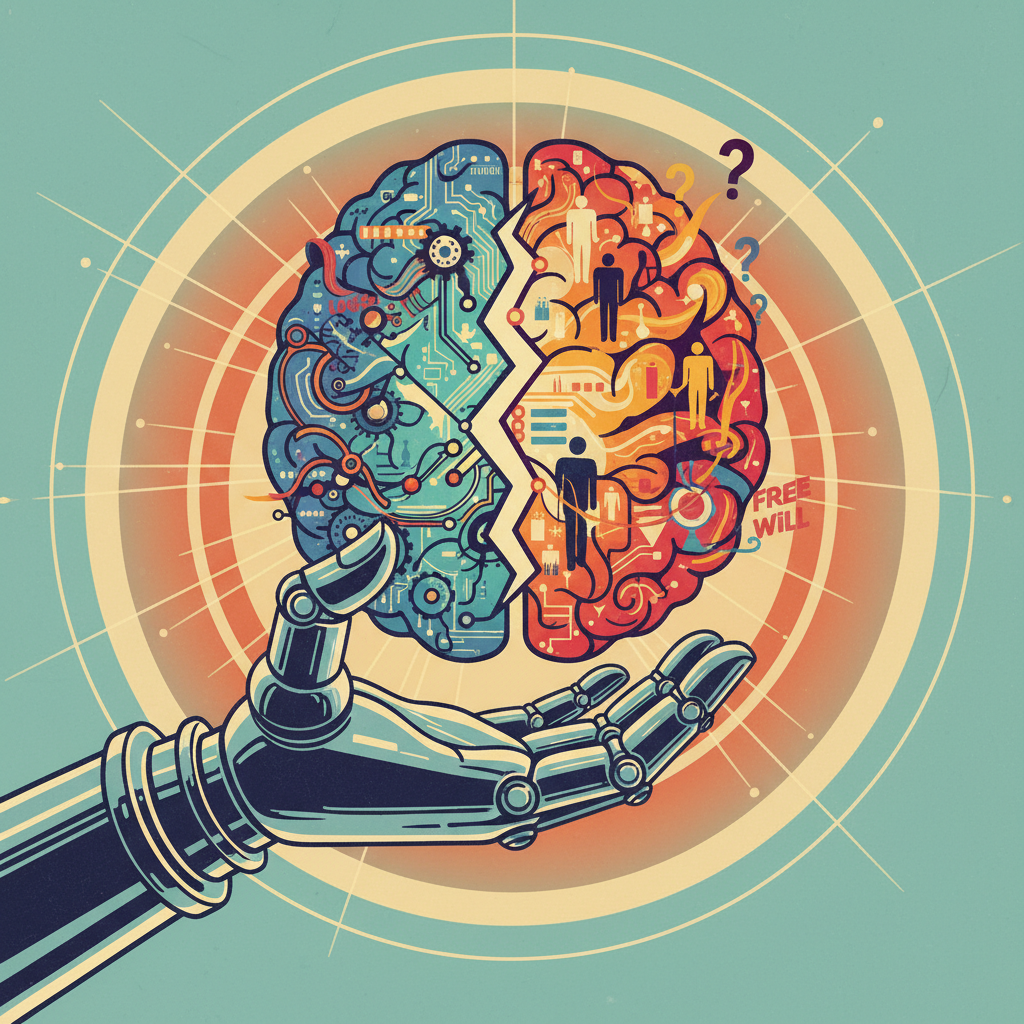
 - DeepSeek V4: AI for All
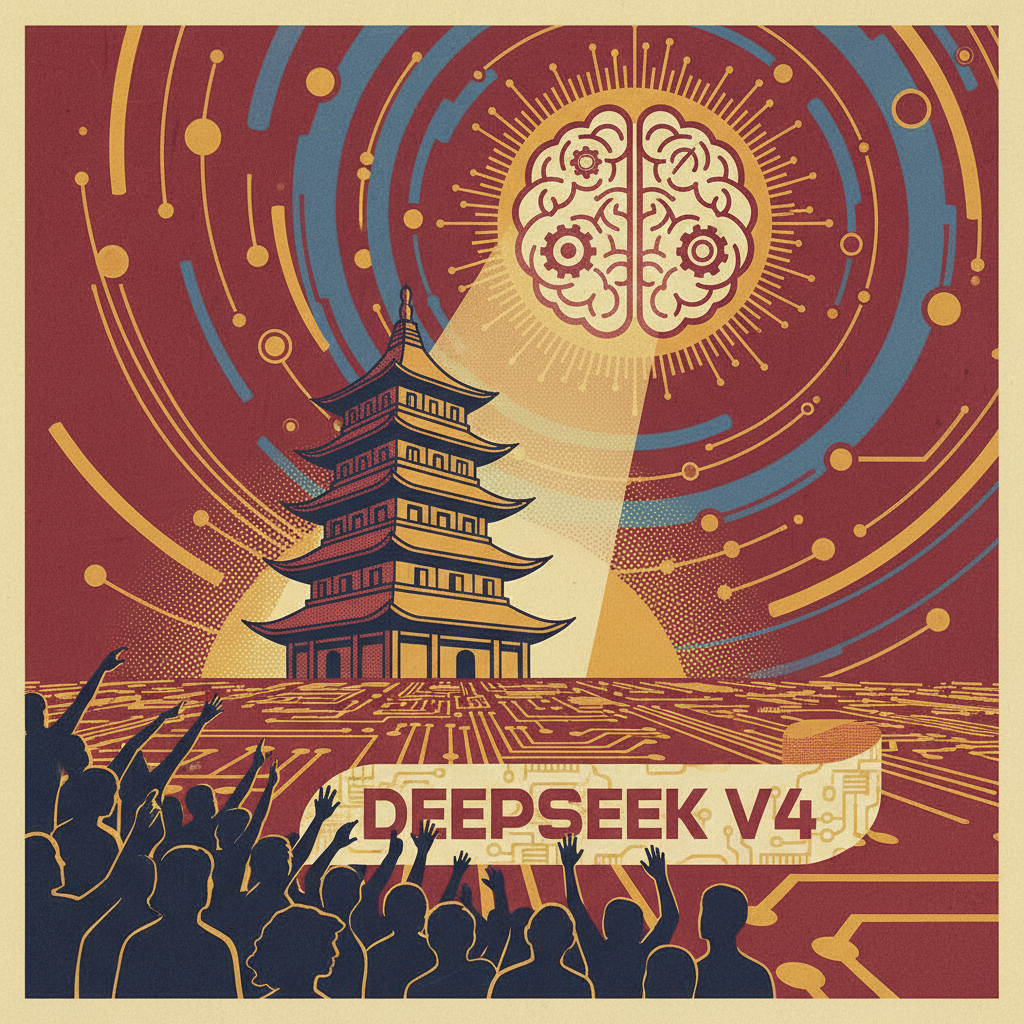 From the vibrant heart of China, a profound new force has emerged in the world of artificial intelligence. A startup named DeepSeek, with a vision to share the pinnacle of AI with everyone, has unveiled its V4 model family. This isn’t just an update; it’s a monumental leap forward, setting the stage for a new era where elite AI capabilities are no longer locked away. Launched in a preview in April 2026, DeepSeek-V4 openly challenges the mightiest AI systems from global giants, offering immense power at astonishingly low costs and with unprecedented reach. It’s a move that doesn’t just compete;…
Killed by Robots
AI Artificial Intelligence / Robotics News & Philosophy