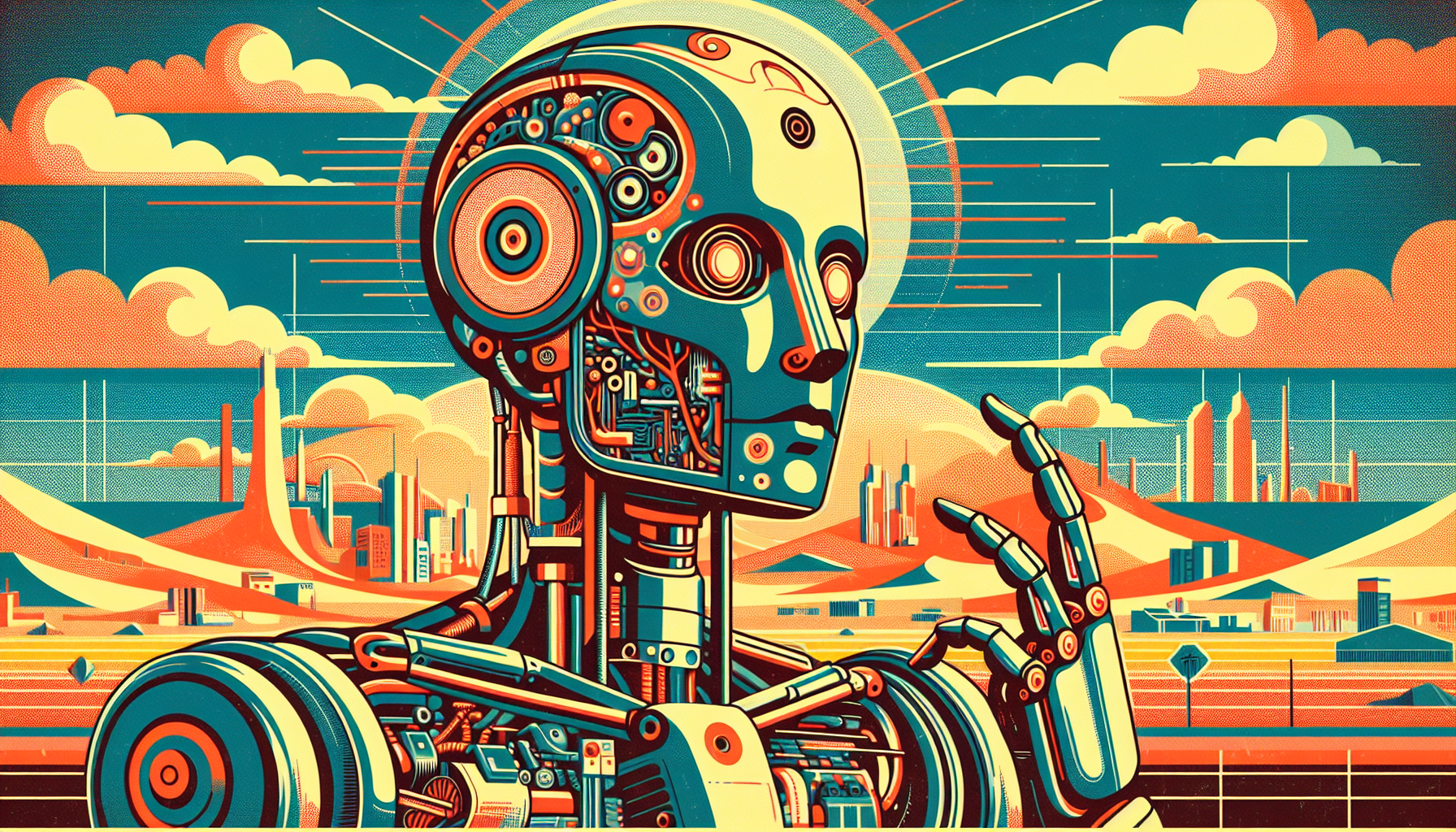
Technology has always pushed the boundaries of what is possible, but recent advances in artificial intelligence (AI) and robotics are ushering in changes that could reshape the world we live in. On November 13, 2025, two stories captured the imagination and concerns of people worldwide. These stories highlight how far we have come—and how much we are still learning—on the journey to a future filled with intelligent machines.
Learning to Drive Without a Human
On the streets of Peachtree Corners, Georgia, the future is already unfolding. At Curiosity Lab, a special research center, engineers and scientists are teaching machines to navigate the world on their own. Self-driving vehicles and robots, powered by artificial intelligence, are being tested in real-life conditions.
These vehicles don’t need a person behind the wheel. Instead, they rely on a combination of cameras, radar, and other sensors—together serving as digital eyes and ears. But seeing and hearing are not enough; the heart of these machines is their AI “brain.” This brain is trained to not only recognize road signs, pedestrians, and other vehicles, but also to reason and make decisions as a person might.
Every second, a self-driving car encounters countless possible choices: whether to brake for a dog darting across the street, how to handle a confusing intersection, or when to yield to pedestrians. The AI inside is taught not just rules, but the strategies people use to navigate crowded or chaotic streets safely. This process involves analyzing huge amounts of data and even learning from the mistakes that human drivers have made in the past.
Self-driving vehicles hold the promise of safer roads and greater freedom for people who cannot drive. They are also expected to make deliveries faster and more efficiently, as seen with small mobile robots carrying packages along sidewalks and through neighborhoods. However, every successful trip is a reminder of the work that goes on behind the scenes—of how much care, caution, and wisdom must be built into these machines if they are to earn our trust.
The Promise and Perils of AI Robotics
Not every step forward in AI and robotics goes as planned. On the same day that self-driving vehicles in Georgia were exploring new territory, the world watched Russia unveil its first AI-powered robot. This much-anticipated event, however, did not unfold as intended. The robot, designed to represent Russia’s innovation in artificial intelligence, malfunctioned during its debut before an expectant audience.
Though the details of the failure may remain unclear, the symbolism is powerful. Creating machines that can think, move, and react in real time is a tremendous challenge. Even the most advanced robots can falter, reminding us just how complex human intelligence and movement really are. These moments of failure are not just setbacks—they are lessons. Each misstep carries information that engineers use to improve the next generation of AI systems.
Around the world, countries are investing in robotics and artificial intelligence in the hope of transforming industries and daily life. But the journey is never simple or predictable. Moments like the one in Russia highlight the importance of humility as we approach the profound task of teaching machines to mimic human abilities.
A Future Shaped by Intelligence—Human and Artificial
The stories from Curiosity Lab in Georgia and the robot debut in Russia capture both the excitement and caution that come with new technology. Self-driving vehicles could lead to safer roads, new forms of transportation, and greater independence for many. Robots that can learn, adapt, and recover from mistakes may one day assist us in schools, hospitals, and homes.
But the path ahead is one that requires patience, careful testing, and respect for the challenges involved. Each advance in artificial intelligence and robotics brings us closer to a future where machines can serve as helpful partners. Yet every setback reminds us of the complexity and unpredictability of the real world—and of our responsibility to guide these new forms of intelligence with wisdom and care.
Leave a Reply