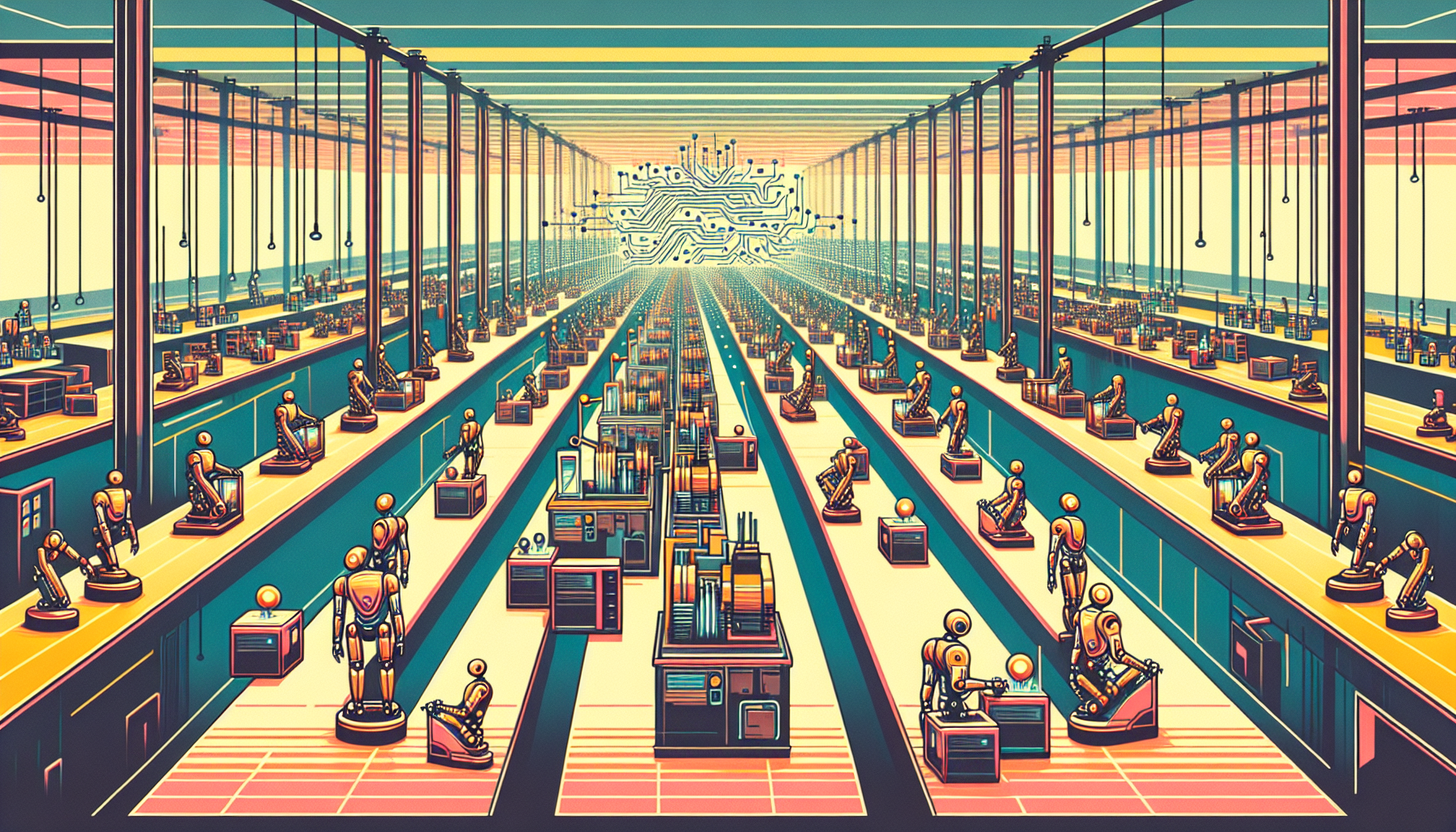
Amazon has reached a historic milestone: its one millionth warehouse robot now works across its fulfillment centers. This achievement signals the steady advance of automation in one of the world’s largest e-commerce companies. Alongside this, Amazon has unveiled DeepFleet, a powerful artificial intelligence designed to make its robot fleet even more effective.
The World’s Largest Robotic Workforce
Amazon operates the most extensive network of mobile robots on the planet. More than 1 million robots now help move, sort, and transport products inside over 300 warehouses across the globe. The one millionth robot was recently put to work in a fulfillment center in Japan, underlining Amazon’s reach and ambition.
These robots do more than just lift heavy boxes. They help speed up deliveries, move inventory quickly, and keep order fulfillment running smoothly. Their precision and reliability cut costs and improve the shopping experience for millions of customers worldwide.
DeepFleet: Smart Guidance for Robots
At the heart of Amazon’s next robotic leap is DeepFleet, a new AI model that serves as the brain of its warehouse robots. Think of DeepFleet as an expert traffic controller inside the warehouse—guiding thousands of robots so they travel the fastest, safest routes and avoid congestion.
DeepFleet draws on vast stores of data from Amazon’s operations and uses advanced machine learning tools, including Amazon’s own cloud-based technology. This helps the AI model learn from each action, growing smarter and more efficient with every task. Since implementing DeepFleet, Amazon has improved its robot fleet’s travel times by about 10%. This increase in efficiency ripples through the entire fulfillment process, shortening delivery windows for customers and reducing overall costs.
A Shift in the Workforce
These advances do not come without challenges. The rapid integration of robots and AI into Amazon’s operations could eventually replace up to 600,000 human warehouse jobs. The number of robots is now closing in on the number of people working in Amazon fulfillment centers. The company recognizes this and has invested in upskilling more than 700,000 of its employees—helping them develop new capabilities alongside the latest automation technologies.
Amazon’s approach aims to balance the push for efficiency with opportunities for its workforce. Training programs support employees in learning new skills needed in evolving logistics roles, from maintaining robotic systems to managing automated workflows.
The Vision Behind Automation
This push for automation reflects the strategy of Amazon’s leadership, including CEO Andy Jassy. By scaling up robotics and artificial intelligence, Amazon is working to cut down the time it takes from a customer’s order to the moment it arrives at their door. The company sees automation not just as a tool to speed up deliveries, but also as a competitive advantage in the ever-evolving world of e-commerce.
Automation also helps Amazon manage labor shortages and high turnover that can affect warehouse operations. By letting machines take on repetitive and physically demanding tasks, the company aims to reshape its workforce for the future—one where people and robots work side by side.
Looking Ahead
Amazon’s journey toward a highly automated future marks a turning point in logistics. With over 1 million robots, the launch of DeepFleet AI, and an ongoing commitment to workforce transformation, Amazon is setting the pace for the industry. This bold vision is reshaping not just its own warehouses, but also the lives of its employees and the broader e-commerce landscape.
As robots and AI take on more roles, Amazon continues to shape the story of technology in the workplace. Its choices today will echo far beyond fulfillment centers, reaching customers and communities around the world.
Leave a Reply