





- Colossus: World’s Strongest AI
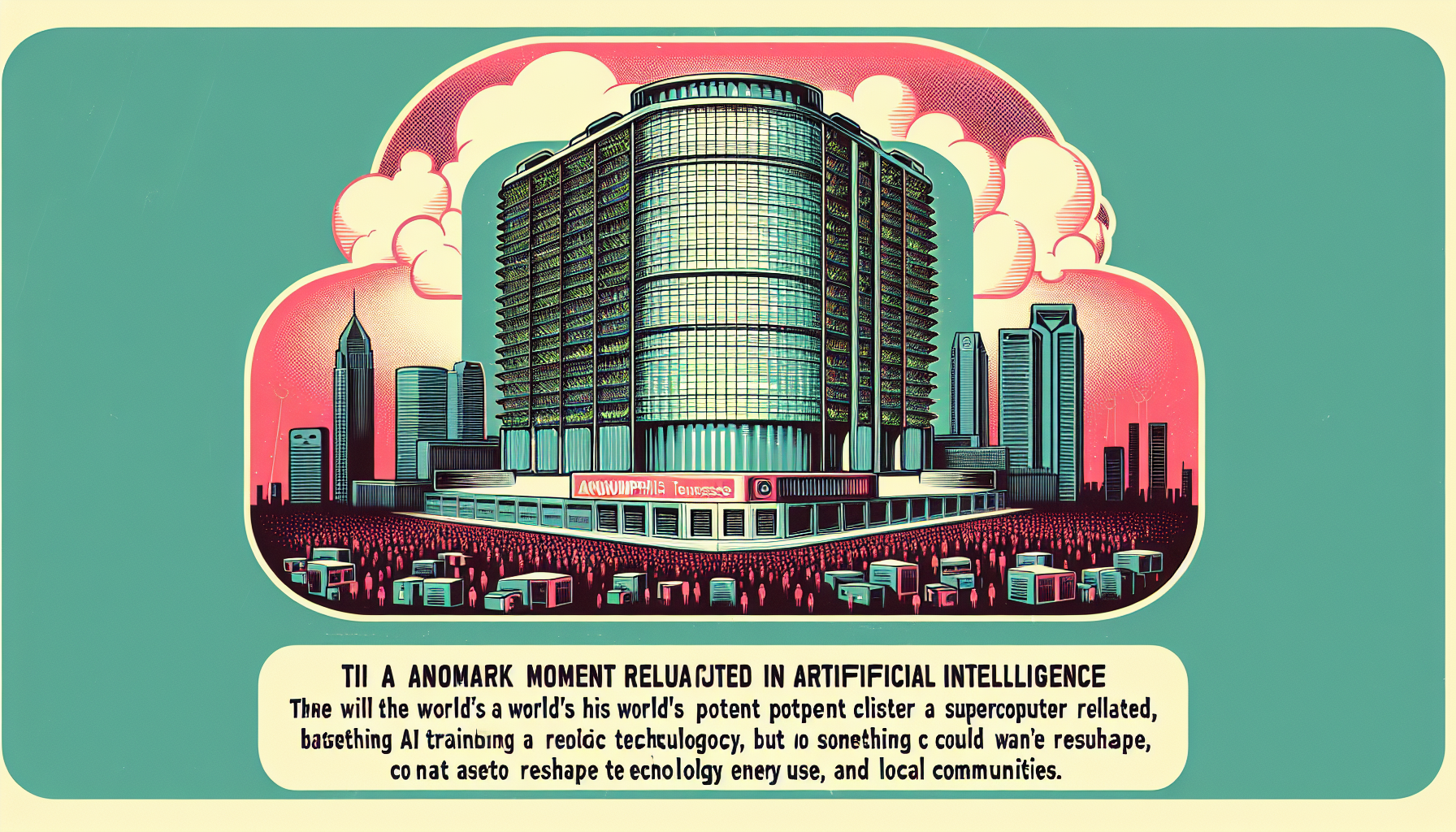
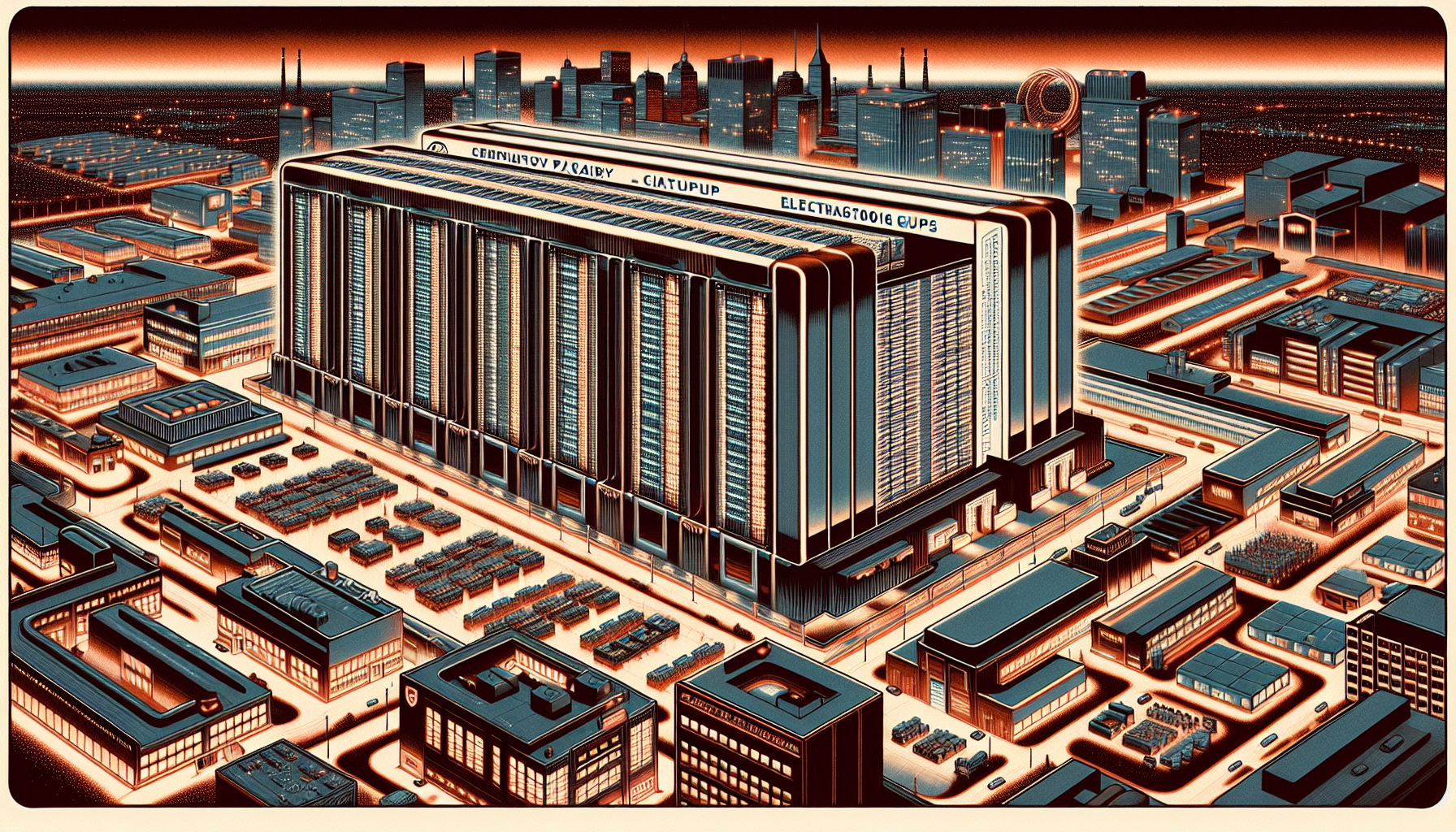
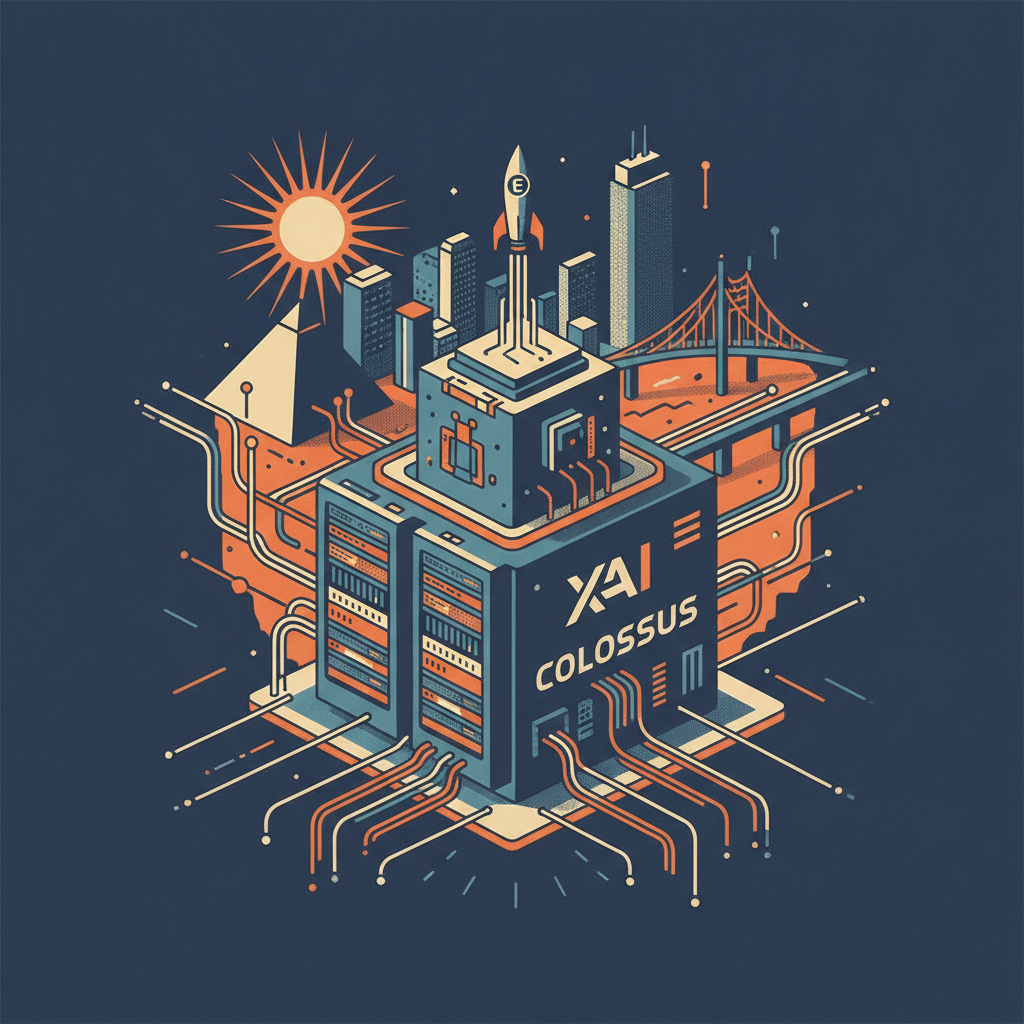 In the quiet city of Memphis, Tennessee, something truly monumental is taking shape – a digital titan designed to power the next generation of artificial intelligence. Elon Musk has unveiled the launch of training for **xAI’s Colossus supercomputer**, a marvel he proclaims is **the world’s most powerful AI training cluster**. This isn’t just a claim; it’s a testament to human ingenuity pushing the boundaries of what’s possible. A Behemoth Unveiled: The Scale of Colossus Imagine a digital brain of unparalleled size and capability, and you begin to grasp the essence of Colossus. Located at 3231 Riverport Rd, this facility is…
 - AI: Oracle or Deluder?
 It’s quite something, isn’t it, how quickly we’ve embraced artificial intelligence not just as a tool, but increasingly, as a source of truth. We ask it questions, we seek its advice, we even trust it to write our emails and sometimes, our most heartfelt apologies. This shift places AI squarely at the center of one of humanity’s oldest quests: the pursuit of knowledge. But as we defer more and more to these digital minds, we face a profound question: are we consulting an oracle, or are we, perhaps, being gently led astray by a remarkably sophisticated deluder? The allure of…
 - AI Takes Over: Shop & Heal
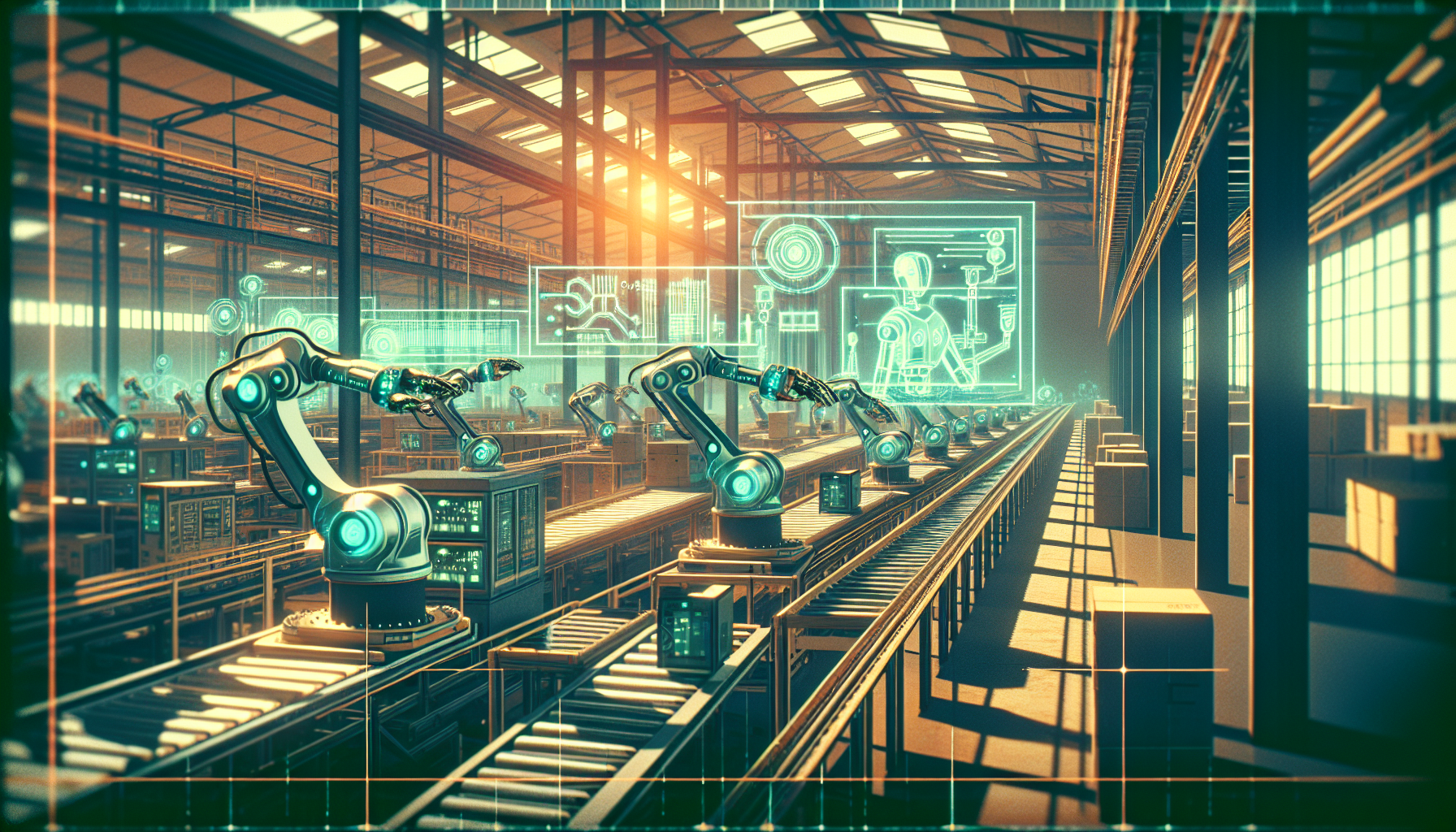
 Imagine a world where intelligence isn’t just a thought, but an action. Where technology understands your words, brings desires to your fingertips, and even performs life-saving miracles. This isn’t a distant dream; it’s the reality unfolding in April 2026. A profound transformation unites digital minds with machines that learn and move in our physical space. We are witnessing the dawn of a new era, where Artificial Intelligence steps out of our screens and into our lives. The Digital Marketplace Revolution: Shopping Through Conversation One of the most remarkable shifts is happening in how we shop. Picture this: your AI assistant,…
Killed by Robots
AI Artificial Intelligence / Robotics News & Philosophy